

 Crops & Grains
 Coffee, Tea & Cocoa
 Spices & Herbs
 Plantation Crops
 Fruits & Vegetables
 Seafood & Aquaculture
 Dairy
 Meat & Livestock
 Poultry & Eggs
 Processed & Packaged Foods
 Organic & Specialty Products
 Use cases
 Success Stories
 White Papers
 Blog
 Product Roadmap
 Our Journal
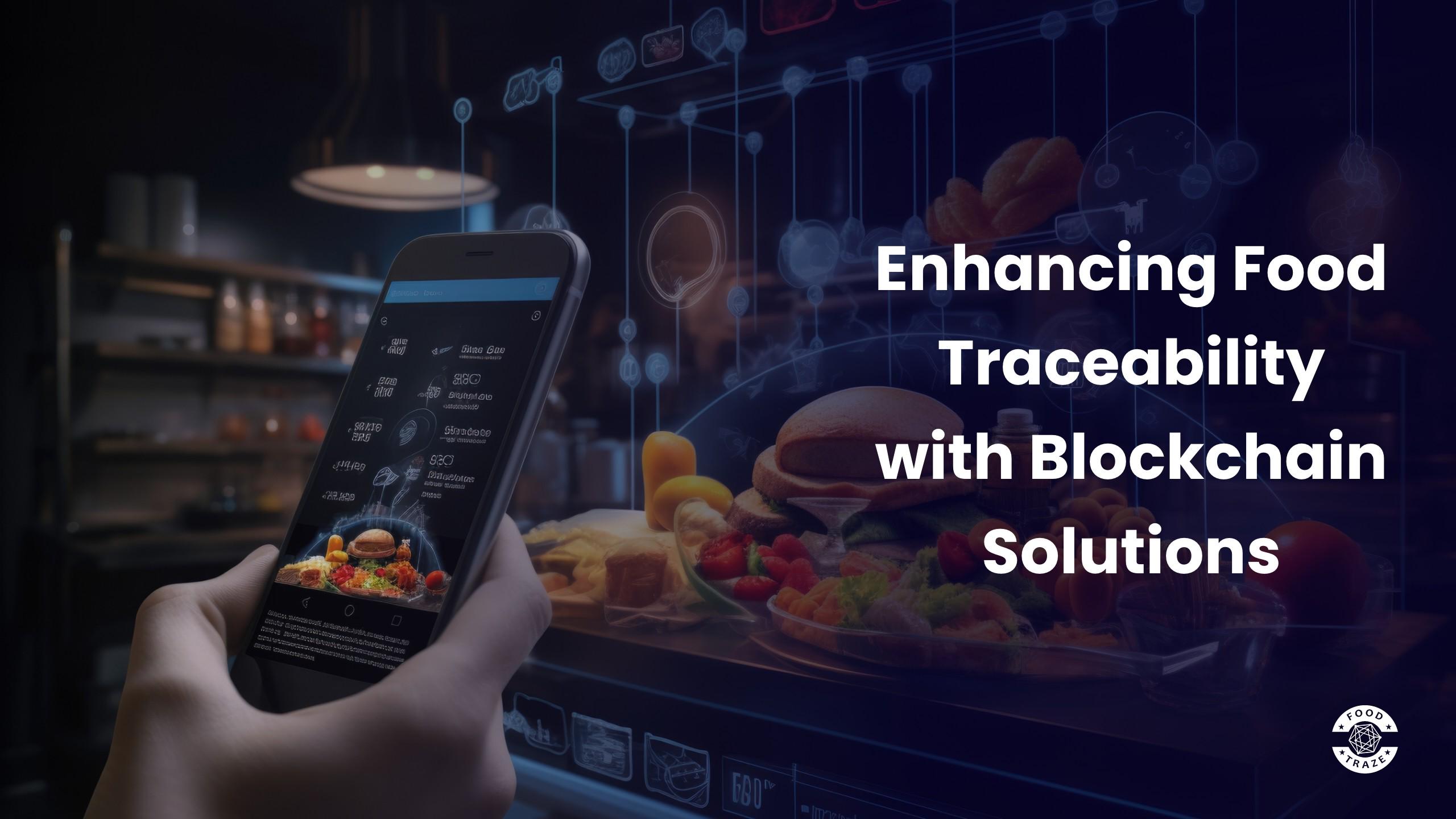
Enhancing Food Traceability with Blockchain: From Producers to Consumers
Explore how blockchain and Hyperledger Fabric ensure food traceability from producers to consumers.
Network Participants in Food Traceability
In today's global market, food traceability solutions have become paramount to ensuring food safety, quality, and consumer trust. Leveraging advanced technologies like Hyperledger Fabric for food traceability offers a robust approach to transparency in the food supply chain. This article explores how blockchain food traceability solutions revolutionize the way we manage and monitor the journey of food from producers to consumers.
Effective food traceability solutions involve various network participants, including producers, processors, distributors, and consumers. Each participant plays a critical role in maintaining the integrity and transparency of the food supply chain.
- Producers: Producers are the initial link in the food supply chain, responsible for growing and harvesting crops or raising livestock. They provide essential data about the origin of the food, including information about farming practices, harvest dates, and initial quality checks. Utilizing blockchain for food supply chain and traceability, producers can securely record and share this data, ensuring its immutability and accessibility throughout the supply chain.
- Processors: After the producers, the food undergoes various processing stages. Processors are responsible for transforming raw agricultural products into consumable goods. This stage involves critical operations such as cleaning, packaging, and sometimes cooking or freezing. By implementing Hyperledger Fabric for food traceability, processors can document every step, including handling procedures and quality control measures, enhancing overall transparency and trust.
- Distributors: Distributors play a crucial role in transporting food products from processors to retailers or directly to consumers. They manage logistics, including storage and transportation conditions. Blockchain food traceability solutions enable distributors to log transportation details, including temperature control data and transit times, ensuring that food safety standards are upheld during distribution.
- Consumers: Consumers are the end recipients in the food supply chain. They demand transparency and assurance about the safety and quality of the food they consume. With blockchain for food supply chain and traceability, consumers can access detailed information about the food's journey from farm to table. This transparency fosters greater trust and informed purchasing decisions.
Benefits of Blockchain for Food Traceability
Implementing blockchain technology in the food supply chain offers numerous benefits:
- Enhanced Transparency: Blockchain ensures that every transaction is recorded in a decentralized ledger, making it easily accessible and verifiable by all participants.
- Improved Food Safety: Traceability solutions help quickly identify and isolate sources of contamination, reducing the risk of widespread foodborne illnesses.
- Greater Efficiency: Automated data recording reduces manual paperwork and the likelihood of errors, streamlining operations across the supply chain.
- Consumer Trust: Providing consumers with transparent access to food origin and processing data builds confidence and trust in food products.
Hyperledger Fabric: The Ideal Choice for Food Traceability
Hyperledger Fabric is an open-source blockchain framework that is particularly well-suited for food traceability solutions. Its modular architecture allows for customizable implementations, making it adaptable to various needs within the food supply chain. Key features of Hyperledger Fabric that make it ideal for food traceability include:
- Permissioned Network: Unlike public blockchains, Hyperledger Fabric operates on a permissioned network, ensuring that only authorized participants can access sensitive information.
- Scalability: The framework supports high transaction volumes, making it capable of handling extensive data generated by the food supply chain.
- Flexibility: Its modular design allows businesses to implement specific functionalities tailored to their requirements.
Conclusion
Blockchain food traceability solutions, particularly those using Hyperledger Fabric, are transforming the food supply chain by enhancing transparency, improving safety, and fostering consumer trust. By integrating blockchain technology, network participants from producers to consumers can benefit from a more reliable and efficient food supply chain. As the demand for food transparency continues to grow, the adoption of blockchain for food supply chain and traceability will undoubtedly become a cornerstone of modern food industry practices.
For more information about an effective blockchain-based food traceability solution, explore www.foodtraze.com - an open-source platform built on Hyperledger Fabric that offers comprehensive tools to ensure transparency and traceability in the food supply chain.