


 Crops & Grains
 Coffee, Tea & Cocoa
 Spices & Herbs
 Plantation Crops
 Fruits & Vegetables
 Seafood & Aquaculture
 Dairy
 Meat & Livestock
 Poultry & Eggs
 Processed & Packaged Foods
 Organic & Specialty Products
 Use cases
 Success Stories
 White Papers
 Blog
 Product Roadmap
 Our Journal
Introduction
Whether you're processing organic spices, manufacturing packaged snacks, or producing dairyis critical in maintaining product quality,of proper Traceability, even the most quality-focused processing units face risks like contamination recalls, regulatory penalties, and loss of consumer trust.
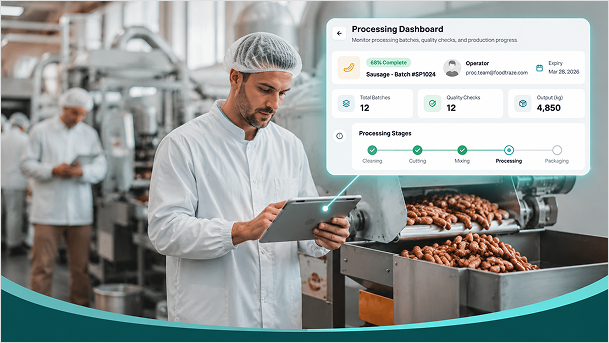
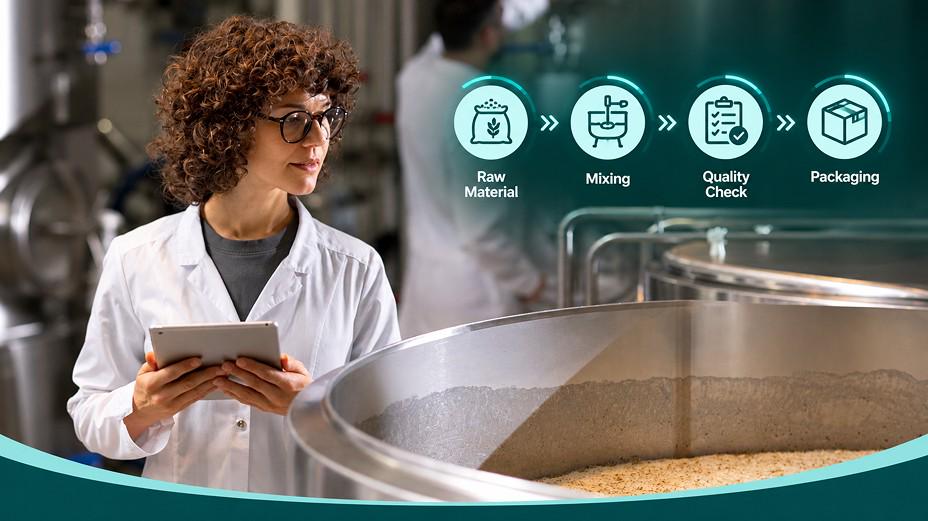
FoodTraze enables food processors and manufacturers to digitize every step of their operations — from ingredient intake to final packaging. By leveraging Blockchain-based Traceability, processors can ensure end-to-end transparency, maintain quality consistency, and meet export and certification requirements with ease.
What Challenges Do Food Processors Face Without Traceability?
1. No Visibility into the Origin of Raw Ingredients
Processors often receive raw materials from multiple suppliers. Without a traceability system, they cannot verify how and where ingredients were cultivated or handled. This blind spot increases the risk of contamination, non-compliance, and product recalls.
Example: In 2022, a U.S.-based baby food manufacturer had to recall several batches due to high lead content found in turmeric. Investigations revealed poor sourcing controls and zero traceability of ingredient origin.
2. Lack of Batch-Level Data Tracking During Production
In many small to mid-sized processing units worldwide, batch records are still managed through manual logs or basic spreadsheets. This leads to missing or inconsistent data for critical checkpoints — like cleaning, temperature control, and cross-contamination prevention — making it hard to validate process hygiene and safety standards.
Example: A dairy facility in Southeast Asia was flagged during export inspection for missing pasteurization temperature logs. Despite using proper processes, the absence of digital records led to a halt in shipments to Europe.
3. Poor Recall Readiness and Quality Issue Response
When consumer complaints arise or contamination is suspected, processors need to trace the issue fast. Without Traceability, companies often over-recall — pulling entire shipments or halting full-day productions — instead of isolating the affected batch. This causes avoidable losses and legal risk.
Example: In 2021, a U.K. snack food company faced backlash after it recalled multiple flavours of chips due to undeclared allergens in just one seasoning line. With no digital event logs or ingredient-level mapping, the entire product line was recalled unnecessarily.
4. Failure to Comply with Global Certification and Regulatory Standards
Exporters and large-scale processors must meet compliance standards such as HACCP, BRCGS, FSSAI, US FDA FSMA, EU Organic, and Codex Alimentarius. Without timestamped, verifiable records of sourcing, production, and packaging, companies risk rejection in audits, loss of certification, and restricted market access.
Example: A spice exporter in India lost a bulk contract with a German organic retailer because they couldn’t demonstrate batch-wise Traceability of post-harvest trtments — a basic requirement under EU organic compliance eanorms.
5. Increased Risk of Fraud and Counterfeit Ingredients
In high-value products like oils, spices, or health foods, adulteration and ingredient fraud are rampant. Without digital Traceability, processors cannot guarantee the authenticity of raw materials or defend themselves against false claims.
Example: Olive oil brands in the Mediterranean region were accused of using low-grade blends. Processors lacked source documentation to disprove allegations, resulting in export bans and loss of market share.
How Can Food Traceability Solutions Solve These Challenges for Food Processors?
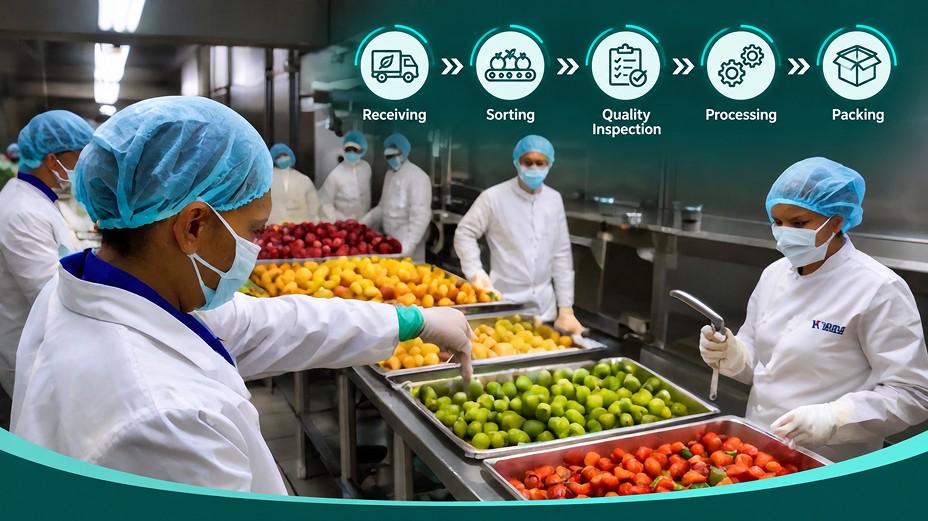
1. Verifiable Origin Tracking for Raw Materials
Traceability enables processors to confirm the exact source of every ingredient. This helps verify supplier claims, detect contamination risks early, and meet strict regulatory and customer requirements. Knowing where ingredients come from reduces blind spots and builds stronger supplier accountability.
Example: A chocolate manufacturer can track cocoa beans from specific farms, confirming organic status and safe handling before processing begins.
2. Precise Batch-Level Monitoring and Compliance
Automated recording of batch data — including production times, sanitation logs, temperature records, and ingredient usage — ensures complete documentation for audits and certifications. Digital systems replace error-prone manual logs with accurate, tamper-proof records, reducing the risk of non-compliance or shipment delays.
Example: An ice cream processor can demonstrate that pasteurization and cold storage protocols were followed for each batch, satisfying export inspectors.
3. Efficient Recall Management and Quality Control
When issues arise, Traceability systems allow processors to quickly isolate affected batches rather than halting entire production runs or recalling full shipments. This targeted approach minimizes losses and safeguards brand reputation. Traceability also supports root cause analysis, helping identify process weaknesses and improve product quality.
Example: A snack manufacturer receiving complaints about off-flavour can pinpoint and remove only the impacted batch linked to a specific seasoning lot.
4. Streamlined Certification and Export Readiness
Traceability systems organize and store data required for certifications such as HACCP, ISO, BRCGS, and FSMA compliance. This makes it easier to respond to regulatory checks and gain faster export approvals. With digital records in place, processors can also demonstrate adherence to sustainability or organic processing standards, boosting their competitive edge.
Example: A spice processing unit preparing for export to the EU can easily compile and present required pesticide test logs, cleaning records, and batch traceability data — reducing delays and improving credibility with foreign buyers.
How Does Traceability Help Producers Overcome These Challenges?
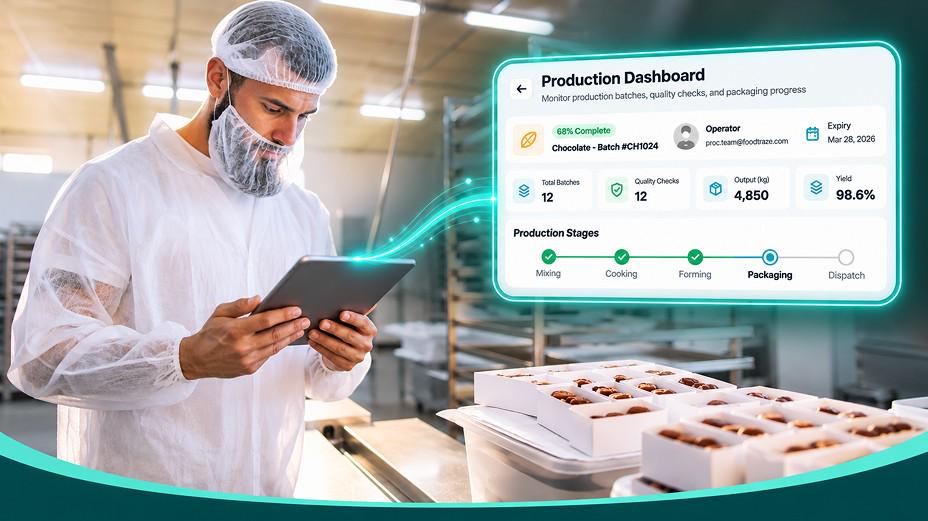
Product details are added on documents issued as Verifiable Credentials by supply chain participants to a product’s decentralized identifier (DID)
✅ Tamper-Proof Records: Once data is entered, it cannot be altered — creating permanent and verifiable proof of every event.
✅ Decentralized System: No single party controls the data. All stakeholders — farmers, processors, exporters — share access to the same trusted information.
✅ Real-Time Visibility: Events are recorded instantly and made available across the chain, enabling faster decisions and quicker issue resolution.
✅ Stronger Consumer Trust: Blockchain enables QR codes that link consumers directly to the product’s complete journey — from farm to shelf.
✅ Efficient Recalls and Audits: Pinpoint affected batches immediately, reducing losses and regulatory risks.
✅ Prevention of Fraud and Mislabelling: Automated checks and event logs reduce the risk of false organic claims or ingredient tampering.
✅ Smart Contract Integration: Future-ready systems can trigger automatic payments or alerts based on predefined actions.
How does Blockchain actually track food from farm to fork?
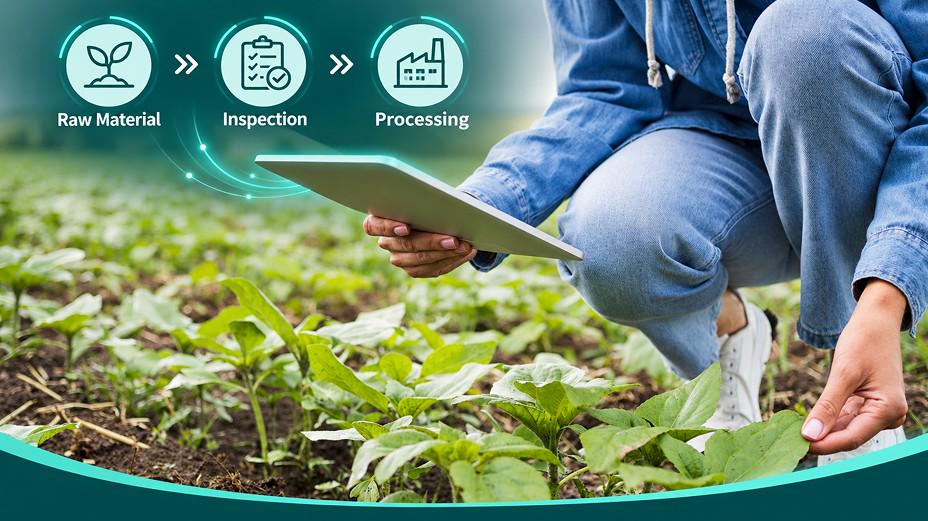
Product details are added on documents issued as Verifiable Credentials by supply chain participants to a product’s decentralized identifier (DID)
1. Event Logging Begins at the Farm
Farmers enter details of land preparation, seed variety, sowing date, fertilizers used, and irrigation practices through a mobile app.
Example: Pesticide-free spinach, sown on Nov 3, 2024, using natural compost, irrigated via drip system — geo-tagged at 12.093°N, 79.054°E — Farm ID: TN-SPN-048.
2. Post-Harvest Handling & Processing
Once harvested, the product undergoes sorting, grading, cleaning, or processing. Each of these events — along with handlers’ identity, batch numbers, and storage conditions— is recorded on the blockchain.
Example: Spinach washed and packed on Dec 2, 2024, at GreenPack Facility (Geo-tag: 12.9716°N, 77.5946°E), Batch ID: SP-GRNPK-207. All hygiene protocols followed and recorded.
3. Distribution & Logistics
As goods move from warehouse to distributor or export hub, details such as transport conditions (temperature, time, and route) and handovers are logged in real time.
Example: GPS & IoT data confirm spinach was transported at a controlled temperature below 6°C in a cold-chain vehicle — Route ID: 2024-CHN-MUM. Vehicle route geo-tagged: Departure – Chennai (13.0827°N, 80.2707°E), Destination – Mumbai (19.0760°N, 72.8777°E).
4. Retail & Consumer Access
At the final stage, retailers or exporters scan the product to ensure all data is intact. Consumers can scan a QR code on the product to view its full journey and credentials.
Example:QR scan reveals the entire life cycle of spinach — from farm photo to harvest date to exporter certification.
What Should Food Processors Record in a Traceability System?
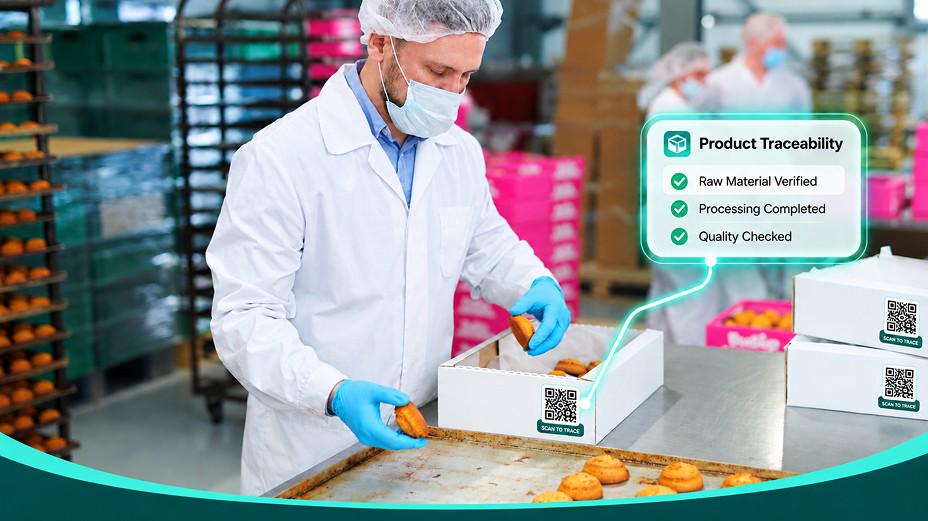
To ensure food safety, regulatory compliance, and consumer trust, food processors must maintain detailed, tamper-proof records at every stage — from sourcing to packaging. A good traceability system captures Key Data Elements (KDEs) that help verify each step and enable swift action in case of quality issues or recalls.
1. Raw Material Data and Supplier Details
Traceability starts with knowing exactly where ingredients come from. Processors must capture supplier identity, lot numbers, quality certifications, and test reports for each incoming batch. This helps in validating claims like organic, non-GMO, or pesticide-free and in isolating issues if contamination occurs.
Example:A spice processor receives turmeric from three vendors. By logging vendor names, lot IDs, and lab test reports, the processor can prove compliance and detect any batch with heavy metals or adulteration
2. Batch Production Records and Hygiene Logs
For every batch produced, processors should record timestamps, equipment used, cleaning cycles, mixing proportions, and heat treatment data. These records are vital for inspections, certifications (like FSSAI, FDA, HACCP), and export approvals.
Example:A dairy plant uses digital logs to capture pasteurization time and temperature for each batch of yogurt. These logs help satisfy cold chain audit requirements when exporting to Europe or the Middle East.
3. Environmental Controls and Worker Safety
Maintaining logs on ambient temperature, humidity, and worker hygiene (e.g., sanitization checks, protective gear compliance) is crucial in preventing microbial growth or cross-contamination. Many recalls are caused not by ingredients, but by gaps in factory conditions.
Example:A chocolate processing unit captures hourly humidity readings and worker shift logs to demonstrate GMP (Good Manufacturing Practices) adherence — key for certifications like BRC or ISO 22000.
4. Packaging and Labelling Information
Every processed item should carry a traceable identity — with product type, batch number, packaging date, expiry, and label claims clearly recorded. This ensures traceability not just backward (to raw materials), but also forward (to consumers or retailers).
Example:A snack manufacturer prints dynamic QR codes on packs, each linked to a specific production batch. If a quality issue arises, they can quickly trace and isolate only the affected products.
5. Storage Conditions and Dispatch Records
The final stage includes cold storage monitoring, outbound logistics data (vehicle ID, route, dispatch time), and buyer details. If a batch is sold through a distributor or exported, this data is essential for visibility and recall readiness.
Example:An ice cream batch stored at -20°C is logged with IoT sensors. When dispatched, the delivery route and temperature logs are linked to the final delivery. If the cold chain is broken mid-transit, only that batch is flagged — saving other products from unnecessary recall.
✅ Real-Time Visibility Track every stage — from raw intake to final pack — instantly. No more chasing paperwork.✅ Regulatory Readiness Stay always audit-ready with clean, time-stamped digital logs.
✅ Rapid Root Cause Detection Find issues faster, fix them sooner — before they spread across batches.
✅ Smarter Sourcing Decisions Compare supplier performance and quality using trace data insights.
✅ Stronger Buyer Confidence B2B clients trust processors who can prove quality, safety, and sourcing.
✅ Reduced Operational Disruption No need to shut down full lines during an issue — isolate and act with precision.
Conclusion
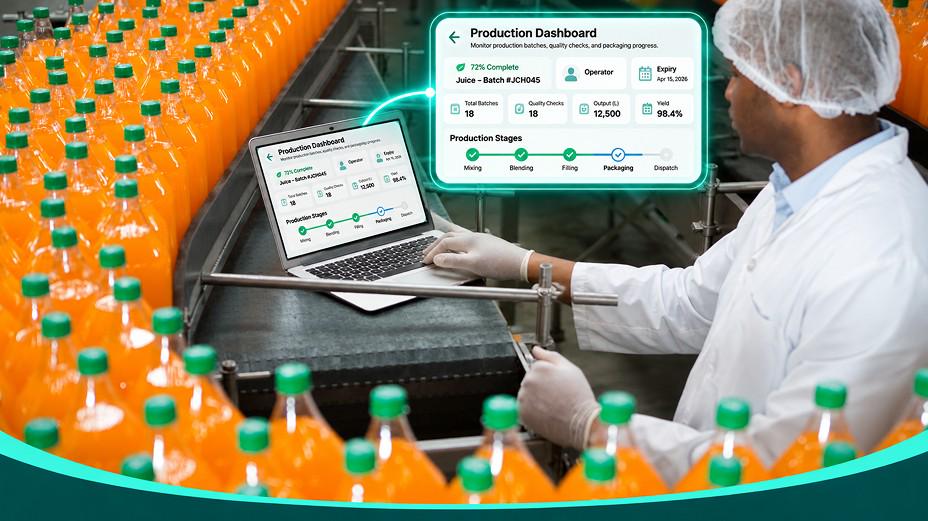
In today’s fast-moving food industry, processors need more than just traditional record-keeping. Food Traceability offers a secure, transparent way to track every stage of the production process — from sourcing raw ingredients to final packaging.
FoodTraze empowers food processors with a digital blockchain platform that captures verifiable, time-stamped data, helping meet compliance, avoid recalls, and unlock global market access.
With FoodTraze, processors can build a safer, more trusted supply chain — because in modern food processing, Traceability isn’t just an advantage, it’s a necessity.