


 Crops & Grains
 Coffee, Tea & Cocoa
 Spices & Herbs
 Plantation Crops
 Fruits & Vegetables
 Seafood & Aquaculture
 Dairy
 Meat & Livestock
 Poultry & Eggs
 Processed & Packaged Foods
 Organic & Specialty Products
 Use cases
 Success Stories
 White Papers
 Blog
 Product Roadmap
 Our Journal
Introduction
Retailers are the final gateway between the food supply chain and the consumer. Whether it’s a supermarket, local store, or online platform, the trust that shoppers place in food products ultimately rests on the retailer’s shelf.
But today’s consumers don’t just buy based on price or appearance — they want to know where their food came from, how it was grown, and whether it’s truly safe. In this landscape, Traceability is no longer a nice-to-have — it’s a competitive necessity.
With increasing concerns about food safety, authenticity, and ethical sourcing, retailers must go beyond traditional inventory — they must offer Transparency.
Why Should Retailers Care About Traceability?
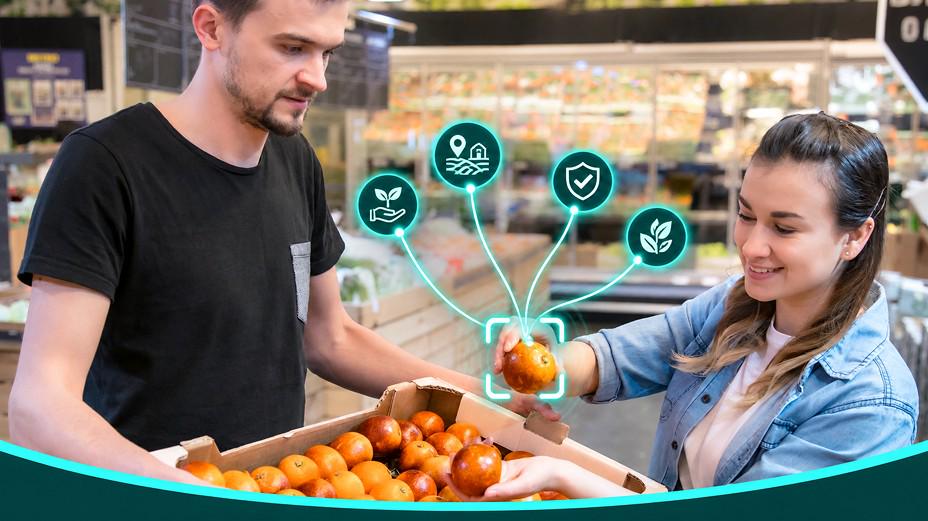
Retailers are the final link between the food supply chain and the consumer. In a market where buyers demand transparency, safety, and ethical sourcing, retailers are increasingly expected to answer key questions:
✅ Where did this product come from?
✅ Was it grown using safe and sustainable methods?
✅ Is it genuinely organic or chemical-free?
✅ Has it been handled properly throughout the supply chain?
With Traceability, retailers can provide clear, verified answers — building consumer confidence, enhancing brand reputation, and reducing risks.
What Challenges Do Retailers Face Without Traceability?
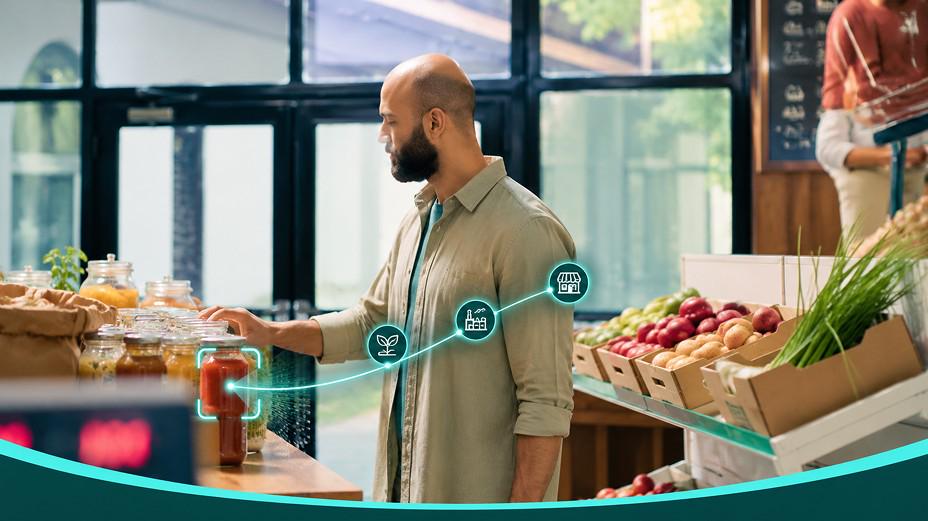
Without a Traceability system in place, retailers face several critical challenges:
Lack of Proof for Product Claims
Cannot verify if a product is truly organic, responsibly sourced, or fresh — leading to loss of consumer trust.
Difficulty in Managing Recalls
In case of contamination or regulatory alerts, identifying affected batches becomes slow and imprecise.
Brand Risk
Selling products with unknown or unverifiable origins can damage brand image in case of quality or safety issues.
Compliance Pressure
Meeting modern food safety and labelling standards becomes harder without traceable documentation.
What Should Retailers Record or Verify?
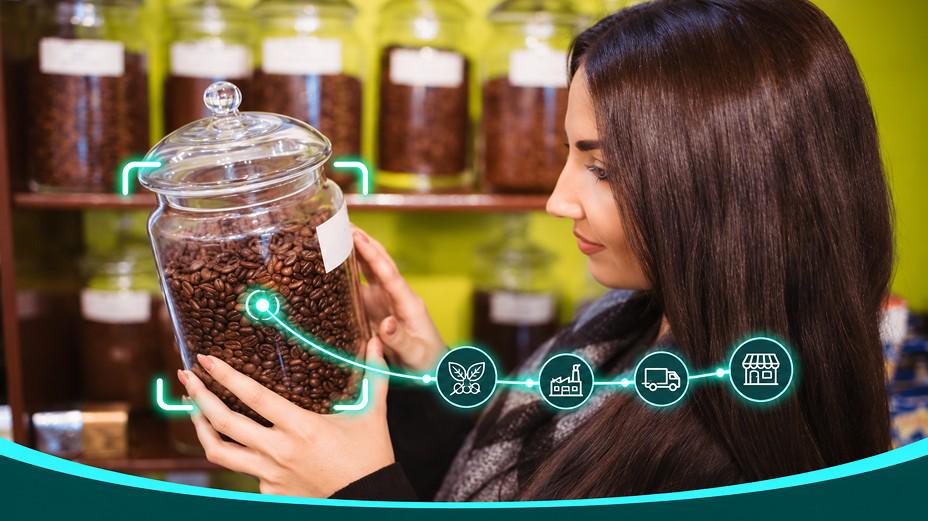
Retailers aren’t just sellers — they’re information touchpoints for consumers. Here’s what they should log or verify through a traceability platform:
✅ Source and origin of the product
✅ Batch number and handling history
✅ Certifications (organic, export-grade, etc.)
✅ Delivery and receiving conditions
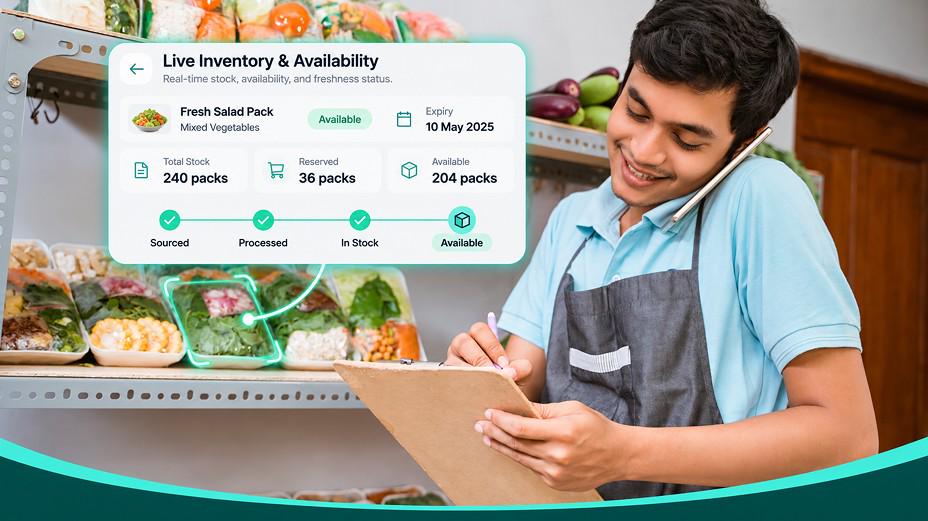
✅ Shelf-life and storage timelines
✅ Safety alerts, recalls, or expiry dates
What Are the Benefits of Traceability for Retailers?
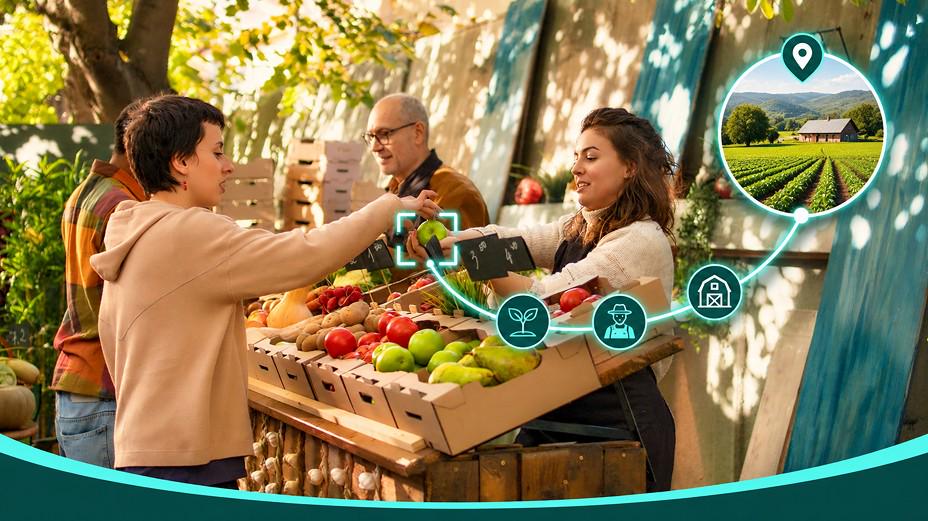
Here are the direct advantages for retail chains, grocery stores, and online sellers:
Confidence in What You Sell-Ensure quality and authenticity of stock.
Faster Recalls-Quickly isolate and remove affected batches
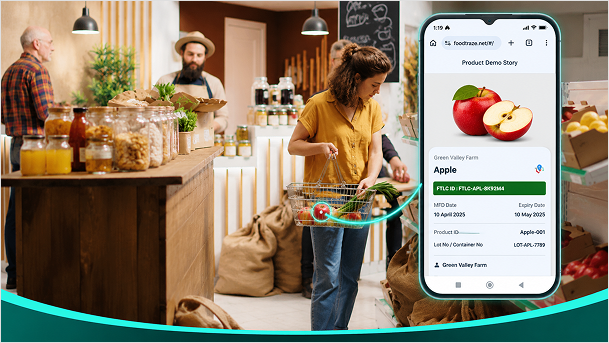
Transparent Labelling -Show trace history to buyers with QR codes or tags
Consumer Trust -Back up claims with verified data
Better Stock Rotation -Monitor expiry, shelf life, and restocking needs
Competitive Edge -Meet global retail standards with ease.
Conclusion
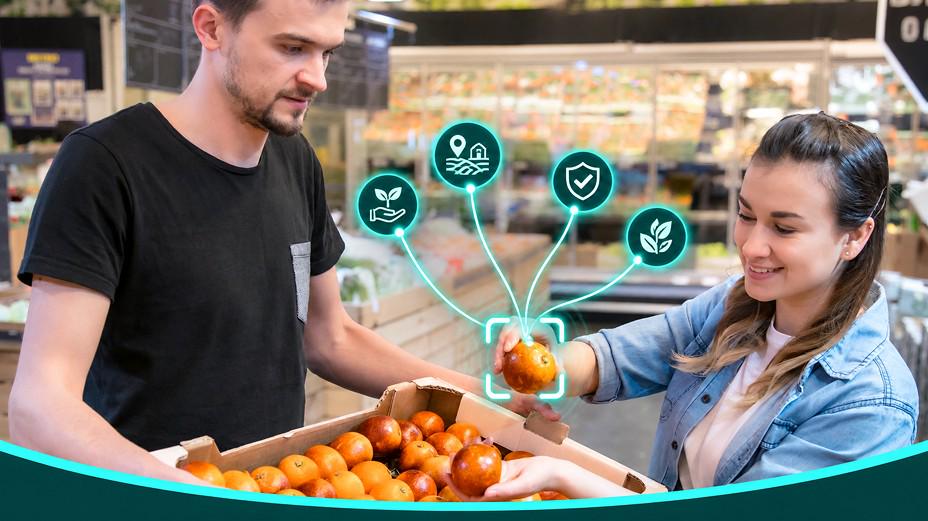
In today’s fast-moving food industry, processors need more than just traditional record-keeping. Food Traceability offers a secure, transparent way to track every stage of the production process — from sourcing raw ingredients to final packaging.
FoodTraze empowers food processors with a digital blockchain platform that captures verifiable, time-stamped data, helping meet compliance, avoid recalls, and unlock global market access.
With FoodTraze, processors can build a safer, more trusted supply chain — because in modern food processing, Traceability isn’t just an advantage, it’s a necessity.