


 Crops & Grains
 Coffee, Tea & Cocoa
 Spices & Herbs
 Plantation Crops
 Fruits & Vegetables
 Seafood & Aquaculture
 Dairy
 Meat & Livestock
 Poultry & Eggs
 Processed & Packaged Foods
 Organic & Specialty Products
 Use cases
 Success Stories
 White Papers
 Blog
 Product Roadmap
 Our Journal


Bringing GI-Tagged Products to a Transparent Digital Traceability Network
About the Project
Ramanathapuram is known for its distinctive agricultural products and regional farming heritage. Preserving the identity of these products and communicating their origin to buyers is increasingly important, particularly as agricultural products reach wider markets and export supply chains.
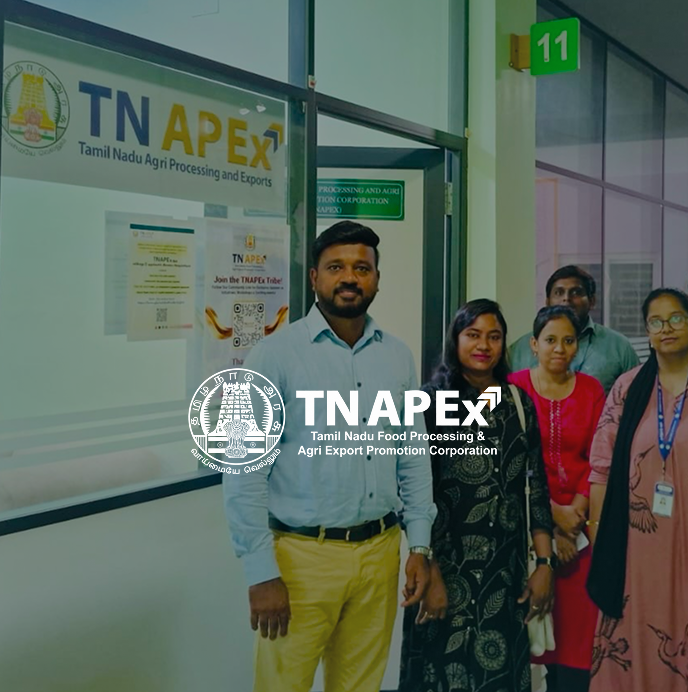
As part of a government-supported initiative in collaboration with TNAPEx, FoodTraze undertook an eight-month implementation project focused on digital traceability for Sambachalli and Mundichalli chilli products.
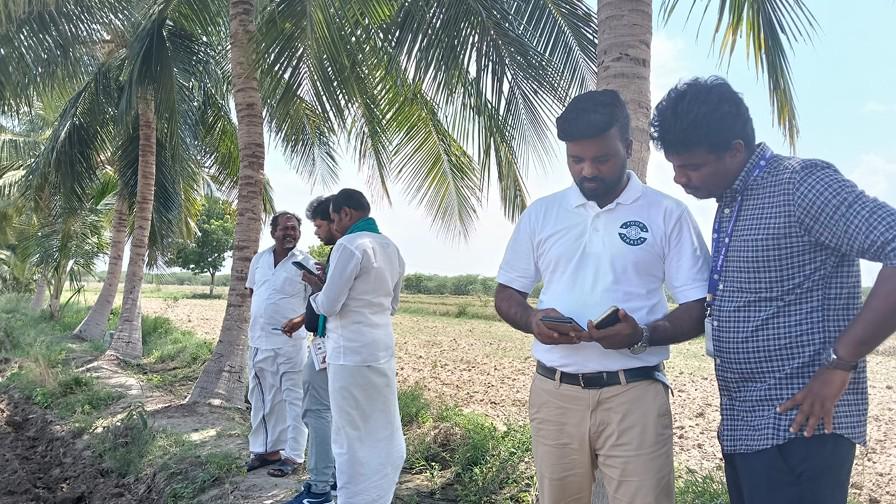
The initiative involved working directly with farmers and Farmer Business Organizations (FBOs), understanding their agricultural practices, introducing traceability processes, and supporting stakeholders in adopting a digital system to capture product-related information.
The Challenge
Connecting Product Origin with Buyer Confidence
Agricultural products entering domestic and international markets need reliable information about where they originate, how they are cultivated, and how their identity is maintained throughout the supply chain.
For GI-tagged products, maintaining geographical identity and origin information is particularly important.
However, implementing traceability across a farmer-driven ecosystem requires direct engagement with farmers, organizations, and field-level operations rather than simply introducing a software platform.
The project focused on addressing challenges such as connecting farmers to a digital traceability system, engaging multiple FBOs, understanding existing farming practices, introducing digital processes, and capturing product information to support origin visibility and buyer transparency.
organizations, and field-level operations rather than simply introducing a software platform.
Our Approach
Field-First Implementation, Built Around Farmers
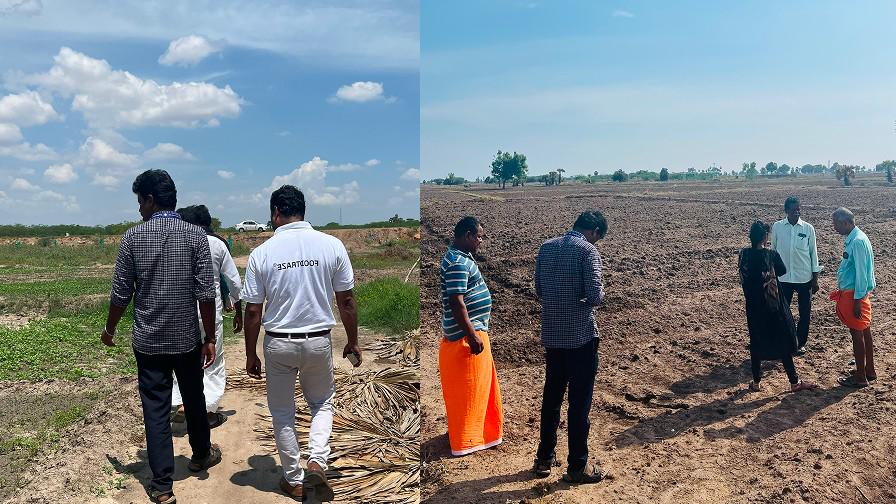
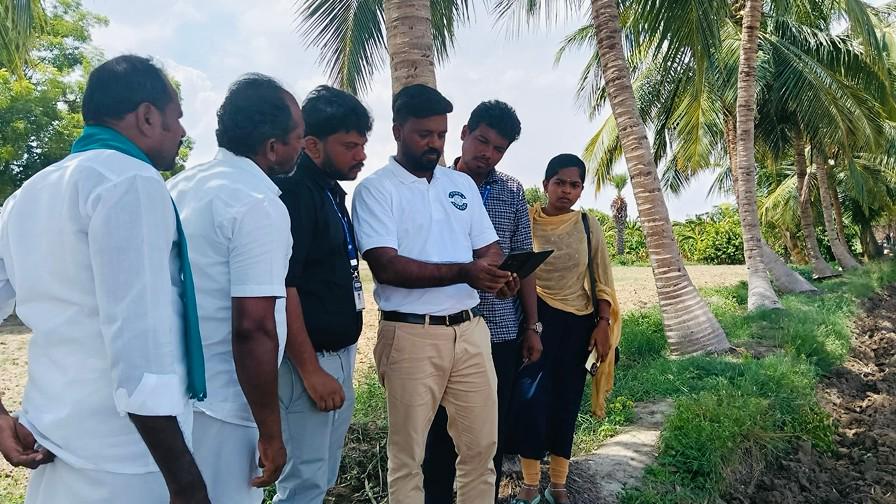
FoodTraze approached the project through direct field engagement and stakeholder collaboration. Our team visited farming communities, interacted with farmers, met FBOs, and studied the agricultural processes involved in producing these chilli varieties.
Rather than implementing technology in isolation, we focused on understanding the ground reality, creating awareness, conducting training, establishing traceability practices, and implementing the digital system around the actual agricultural journey.
Our approach combined technology with field-level participation to make traceability practical and meaningful for the farming ecosystem
Implementation
Eight Months of Field Engagement and Digital Implementation
The project was carried out over eight months, involving multiple stages of field engagement, stakeholder coordination, training, and traceability implementation.
Farmer Engagement and Field Visits
Our team visited farming areas and interacted directly with farmers to understand cultivation practices, product characteristics, and existing agricultural workflows.
FBO Engagement and Stakeholder Coordination
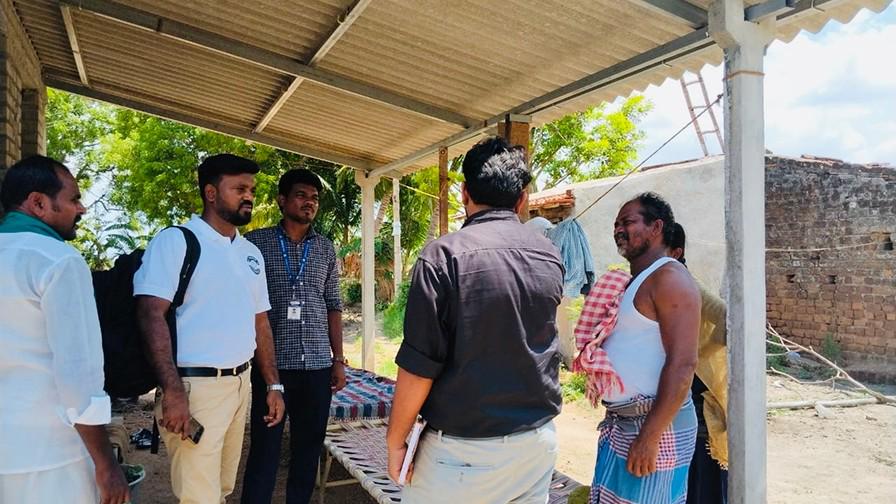
We engaged with multiple Farmer Business Organizations, building coordination and understanding across the participating agricultural ecosystem.
Training and Traceability Awareness
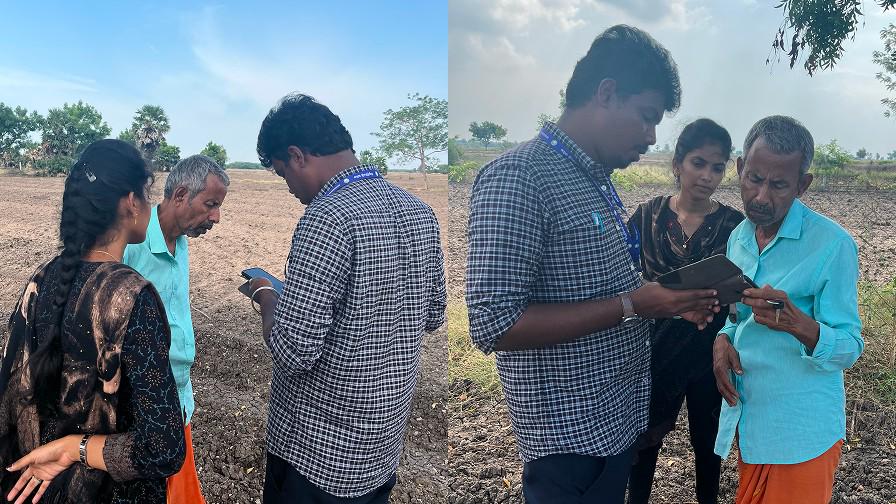
Training sessions were conducted to introduce stakeholders to the traceability system, explain agricultural activity recording, and support adoption of digital processes.
Field-Level Activity Documentation
Relevant farming and production activities were documented to help establish a traceability record covering the product journey.
Digital Traceability Implementation
FoodTraze implemented the digital traceability workflow to connect farmer information, agricultural activities, and product-related records within the system.
Project Output and Delivery
Following field engagement, stakeholder training, and implementation activities, the project deliverables were completed, establishing a digital traceability foundation for the two participating GI-tagged chilli products.
The Traceability Journey
From Cultivation to Product Origin Visibility
The traceability initiative was designed to bring important stages of the chilli production journey into a digital record.
The implementation covered agricultural activities, cultivation information, harvesting, and subsequent production or processing stages. This enabled relevant information to be captured and associated with the products.
The goal was to build a digital foundation through which product information could be organized and its origin made more visible to stakeholders and buyers.
The Results
Building a Traceable Identity for GI-Tagged Chilli Products
Over eight months, FoodTraze completed the traceability implementation activities for the two GI-tagged chilli products, working across farmer engagement, FBO coordination, field-level visits, and training.
The project established:
- A traceability ecosystem connecting 200 farmers.
- Engagement of 10 FBOs in the initiative.
- Digital traceability implementation for Sambachalli and Mundichalli chilli products.
- Farmer and FBO awareness through field meetings and training sessions.
- Structured agricultural and product traceability information.
- A digital foundation for communicating product origin and identity to downstream stakeholders and buyers.
By connecting the agricultural ecosystem with digital traceability, the project helped establish a pathway for improving visibility into product origin and supporting the identity of regionally recognized GI-tagged chilli products.
Conclusion
Technology That Reaches the Field Creates Meaningful Impact
Agricultural traceability is successful when technology reaches the people who grow, handle, and move the products.
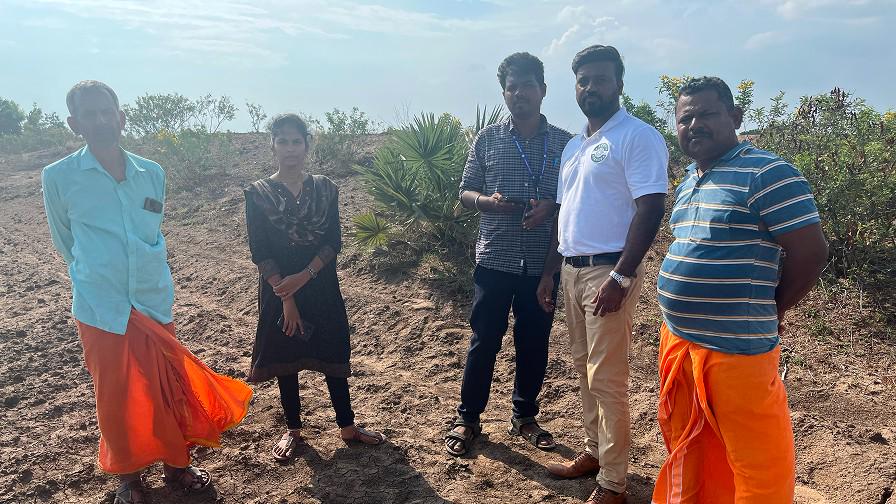
This eight-month initiative in Ramanathapuram reflects FoodTraze's commitment to combining digital technology with real field engagement. By working directly with farmers, engaging FBOs, conducting training, and implementing traceability for GI-tagged chilli products, we helped establish a connected digital foundation for product-origin visibility.
For FoodTraze, this project represents more than a technology deployment. It represents bringing farmers, agricultural organizations, regional product identity, and digital transparency together — creating a traceable story that can travel from the field to buyers and markets.